
Your blog post
Blog post description.
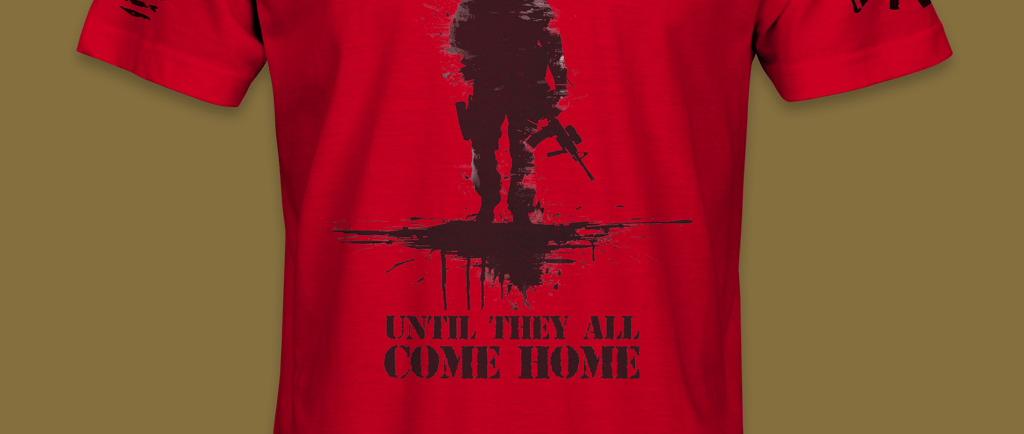
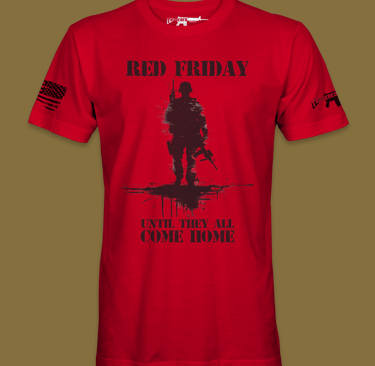
What Is Screen Printing?
Screen printing (also called silkscreen printing) is one of the oldest and most popular methods for printing custom t-shirts. It works like a sophisticated stencil: ink is pushed through a fine mesh screen onto the fabric, creating bold, vibrant, and highly durable designs.
It’s especially well-suited for conservative t-shirts because it excels at solid colors, crisp text, patriotic flags, eagles, crosses, and simple slogans like “Faith, Family, Freedom” or “Don’t Tread on Me.” The result feels premium and lasts through dozens (or hundreds) of washes without cracking or fading quickly.
How Screen Printing Works: Step-by-Step Process
Here’s the standard professional process used for high-quality custom t-shirts:
Design Creation Your artwork is prepared in vector format and color-separated (each color gets its own layer). For a 3-color design, you’ll need 3 separate screens. Bold, solid designs work best; very fine details or full photo-realistic images are harder (and more expensive) with this method.
Screen Preparation A mesh screen (stretched on a wooden or metal frame) is coated with a light-sensitive photo emulsion in a dark room. The emulsion is spread evenly using a scoop coater and then dried.
Exposing the Screen (Burning the Stencil) A transparent film positive (your design printed in solid black on clear film) is placed on the coated screen. It’s exposed to strong UV light. The light hardens the emulsion everywhere except where the black design blocks it. The unexposed emulsion is then washed out with water, leaving open mesh where ink can pass through — this creates your stencil.
Printing the Design The screen is placed over the t-shirt on a printing press. Thick plastisol ink (or water-based ink) is poured onto the screen. A squeegee is pulled or pushed across the screen, forcing the ink through the open mesh onto the fabric. Each color is printed separately, and the shirt may be flashed (partially dried) between colors for multi-color designs.
Curing the Ink The printed shirt goes through a conveyor dryer or heat press at high temperature. This cures the ink so it bonds permanently with the fabric fibers, making the print extremely durable and wash-resistant.
Cleanup & Reclaiming After the run, screens are cleaned so they can be reused or reclaimed for new designs.
Common Screen Printing Techniques for T-Shirts
Spot Color Printing — The most common and simplest method. Uses solid, vibrant ink colors. Ideal for logos, text, flags, and conservative slogans (1–5 colors). Gives a thick, opaque layer that stands out on both light and dark shirts.
Halftone Printing — Uses tiny dots to create gradients or shading with a single color. Useful for adding depth to designs without needing many extra colors.
Simulated Process Printing — A more advanced technique for full-color or photo-like images on dark shirts. It combines halftones and multiple spot colors to simulate a wide range of hues.
Discharge Printing — Removes the dye from dark fabrics and replaces it with new color. Creates an incredibly soft, “dyed-in” feel (great for vintage or premium conservative tees).
Special Effects — Can include puff ink (raised texture), glitter, metallic, or glow-in-the-dark inks for unique patriotic or faith-based designs.
Why Screen Printing Is Great for Quality Conservative T-Shirts
Durability — Plastisol inks create a strong bond that resists cracking, peeling, and fading far better than many digital methods.
Vibrant, Opaque Colors — Excellent on black, navy, or dark shirts — perfect for bold American flag or pro-life designs.
Cost-Effective for Bulk — Setup costs are higher upfront (one screen per color), but the per-shirt price drops significantly for orders of 24+ pieces. Great for church groups, events, teams, or family reunions in the Birmingham area.
Professional Feel — The slightly raised, tactile ink gives a premium, high-quality look and feel.
Limitations: It’s not ideal for one-off shirts or highly detailed, full-color photographic designs (that’s where DTG or DTF printing shines). Designs with more than 5–6 colors become expensive and time-consuming.
Screen Printing vs. Other Popular Methods (Quick Comparison)
FeatureScreen PrintingDTG (Direct to Garment)DTF (Direct to Film)Best ForBulk orders, bold/simple designsSmall orders, detailed artSmall–medium runs, any fabricDurabilityExcellent (lasts longest)GoodVery GoodFeelSlightly thicker/raisedSoftest (feels like no print)Soft with slight film feelColorsBest with 1–5 solid colorsUnlimited/full colorUnlimited/full colorCost for 1–12 shirtsHigher (setup)LowestLow–mediumCost for 50+ shirtsLowestHigherMedium
Many shops (including local ones in Birmingham) combine methods — for example, using screen printing for the main conservative message and adding a small detailed element with another technique.
Ready to Order High-Quality Screen-Printed Conservative T-Shirts?
If you want durable, professional-looking custom t-shirts that proudly display your values, screen printing is often the best choice for groups, events, or repeat wear.
At our Birmingham shop, we use premium ring-spun cotton blanks and high-quality inks to deliver sharp, long-lasting results. Whether it’s a simple “In God We Trust” design or a multi-color patriotic graphic, we can help you create something you’ll be proud to wear for years.
Have questions? Want to know if your design works best with screen printing, or need help choosing between screen, DTF, or another method? Contact us or start your custom design today!